
In today’s fast-paced world, stress is an unavoidable part of life—whether it’s from work deadlines, family responsibilities, or the general hustle of modern living. Enter adaptogens: a class of herbs, roots, and mushrooms that have been used for centuries in traditional medicine to help the body adapt to stress and restore balance. As we head into 2026, adaptogens are more popular than ever in the UK, with searches for ashwagandha skyrocketing and brands incorporating them into everything from teas to capsules.
But what exactly are adaptogens, and do they live up to the hype? Let’s dive in.
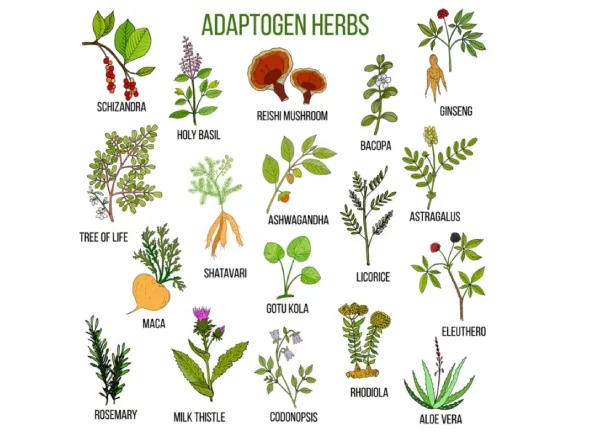
Adaptogens are natural substances—primarily plants and fungi—that help your body resist stressors of all kinds, whether physical, chemical, or biological. They work by regulating the hypothalamic-pituitary-adrenal (HPA) axis, your body’s central stress response system, to maintain homeostasis (balance).
The term “adaptogen” was coined in the 1940s by Soviet scientists; however, these remedies have roots in ancient systems such as Ayurveda and Traditional Chinese Medicine. To qualify as a true adaptogen, a substance must:
Popular adaptogens include herbs like ashwagandha, rhodiola, and holy basil, as well as mushrooms like reishi.
Here are some of the most evidence-backed adaptogens trending in the UK right now:
Emerging research suggests adaptogens may also offer neuroprotective effects, anti-inflammatory benefits, and support for metabolic health.
While traditional use spans millennia, modern studies are catching up. Clinical trials indicate adaptogens can reduce fatigue, improve mental performance during stress, and modulate cortisol. A systematic review found promising effects on stress levels in healthy adults.
However, evidence is still mixed—many studies are small or preclinical. Adaptogens aren’t a cure-all, but they show real potential as supportive tools for stress management.
At The Fitness Depot Store, we offer a range of high-quality, third-party tested adaptogen supplements tailored for active lifestyles:
Start low (e.g., 300-600mg ashwagandha daily) and consult a healthcare professional, especially if you’re on medication.
Adaptogens are generally well-tolerated, but side effects can include mild digestive upset, drowsiness, or interactions with medications (e.g., thyroid or blood pressure drugs). They’re best used short-term (up to 6 months) to avoid tolerance. Pregnant or breastfeeding individuals should avoid them unless advised by a doctor.